
MIWA 2026 – Bangkok | Program: Session 2
Session 2: Software-Defined Vehicles and the Transformation of Mobility
Software-defined vehicles (SDVs) are shifting mobility from a hardware-centric paradigm to a software-driven, service-oriented ecosystem. This session explores how SDVs enable new functionalities, continuous system evolution, and new business models, while reshaping the structure of the automotive and mobility industries.
Surviving the SDV Shift: Forging a Japan-Thailand Co-Creation Paradigm
With Chinese innovative SDV technologies significantly transforming Thailand’s market and automotive structures, this session explores how the region’s mobility landscape is evolving. It addresses the future value of vehicles and examines what a powerful Japan-Thailand co-creation can achieve in this new era.
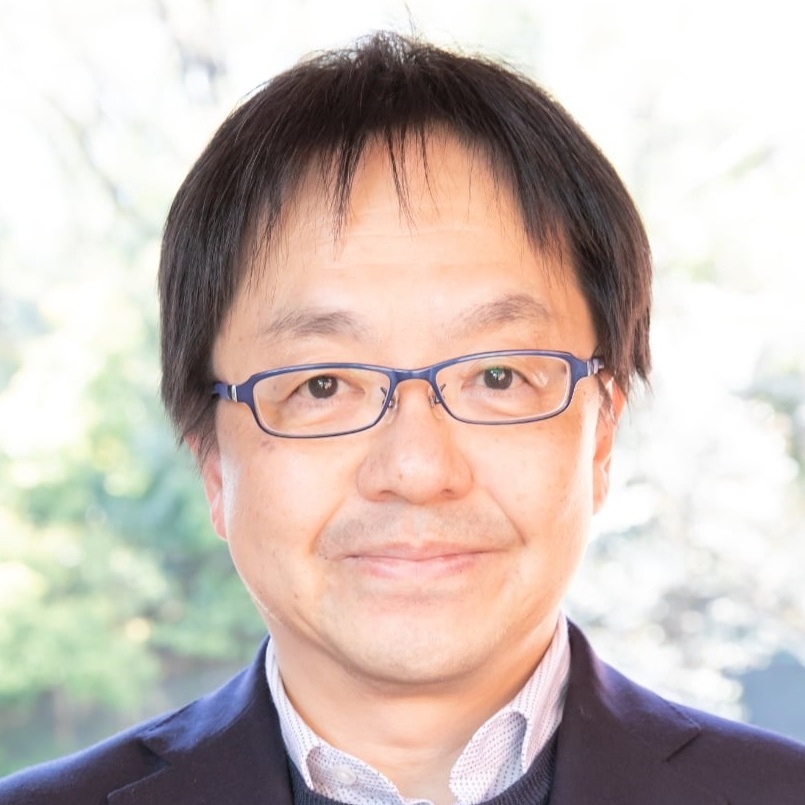
Tsuguo Nobe
Visiting Professor, Global Research Institute for Mobility in Society (GREMO), Institutes of Innovation for Future Society
Nagoya University
Accelerating Mobility Innovation through Open SDV
Open SDV is a vehicle that allows applications developed by third parties-companies or individuals other than carmakers and their contractors - to be installed and executed. Advanced mobility services require vehicles to operate in coordination with external systems and services. Open SDV facilitates such coordination and enables a wide range of service providers to create innovative mobility services. This talk discusses the potential of Open SDV to accelerate innovation in mobility and introduces the Vehicle API currently being developed by the Open SDV Initiative to realize this vision.

Hiroaki Takada
Professor, Global Research Institute for Mobility in Society (GREMO), Institutes of Innovation for Future Society
Nagoya University
Software Defined Vehicle: From vertical integration to scalable software defined platform
Discover how Software-Defined Vehicles are transforming the automotive industry from vertically integrated engineering to scalable, platform-based development. This session explores the technologies, ecosystem partnerships, and business models enabling continuous innovation, faster feature deployment through connected, intelligent vehicles.

Venkatesh Prakash
Business Solution Architect
Elektrobit India
Transition of technical architecture towards a software driven, service-oriented system
As vehicles become software-defined, value shifts from mechanical components toward software, data, and services. Using the Future Mobility SDV Value Matrix, this talk examines Thailand’s current position and how digital talent and applications addressing congestion, logistics, and road safety can help the country capture greater value across the stack.

Nuksit Noomwongs
Assistant Professor, Smart Mobility Research Center, Faculty of Engineering
Chulalongkorn University
Moderator: Tsuguo Nobe, Nagoya University